
Have you ever received a message containing the term PDA and wondered what it actually means? You’re not alone. Modern texting slang evolves fast, and abbreviations often carry meanings that aren’t immediately obvious.
If you’re searching for what does PDA mean in text, the simple answer is that PDA usually stands for Public Display of Affection. However, depending on the conversation, platform, and context, PDA can have several different meanings.
In today’s world of digital communication, social media, and online relationships, understanding texting slang is more important than ever.
PDA is one of those expressions that appears in text messages, Instagram captions, Snapchat stories, TikTok comments, and everyday conversations. Yet many people misunderstand how it’s used.
This comprehensive guide explains the full meaning of PDA in text, how people use it online, alternative meanings, cultural perspectives, relationship implications, and much more.
What Does PDA Mean in Text?
PDA most commonly means Public Display of Affection.
A Public Display of Affection refers to romantic or affectionate behavior shown openly where other people can see it. This can happen in person or online.
Examples of PDA include:
- Holding hands
- Hugging
- Kissing
- Cuddling
- Sitting closely together
- Playful flirting
- Romantic gestures
- Posting affectionate couple photos
In texting, someone might say:
“Wow, that picture has a lot of PDA.”
This simply means the photo shows obvious affection between two people.
PDA → means → Public Display of Affection.
That relationship is the primary definition people refer to when discussing PDA in messages and social media.
Why PDA Became Popular in Texting Culture
Text messaging has changed how people communicate. Instead of long explanations, users prefer short abbreviations that convey emotions quickly.
The popularity of PDA grew because it allows people to describe romantic behavior in just three letters.
Rather than saying:
“They were constantly hugging and kissing in public.”
People simply say:
“There was a lot of PDA.”
This makes communication quicker, more expressive, and easier to understand. It’s kinda amazing how much meaning can fit into three letters.
Public Display of Affection Explained
A Public Display of Affection includes any visible expression of affection between romantic partners.
Common Forms of PDA
| Mild PDA | Moderate PDA |
|---|---|
| Holding hands | Long hugs |
| Quick kiss | Extended kissing |
| Walking arm-in-arm | Cuddling |
| Hand on shoulder | Intense romantic behavior |
Most people view mild PDA as socially acceptable. However, opinions often vary depending on culture, setting, and personal comfort levels.
Public Display of Affection → includes → holding hands, hugging, kissing, and cuddling.
That’s why these activities are frequently associated with the term.
How PDA Is Used in Text Messages
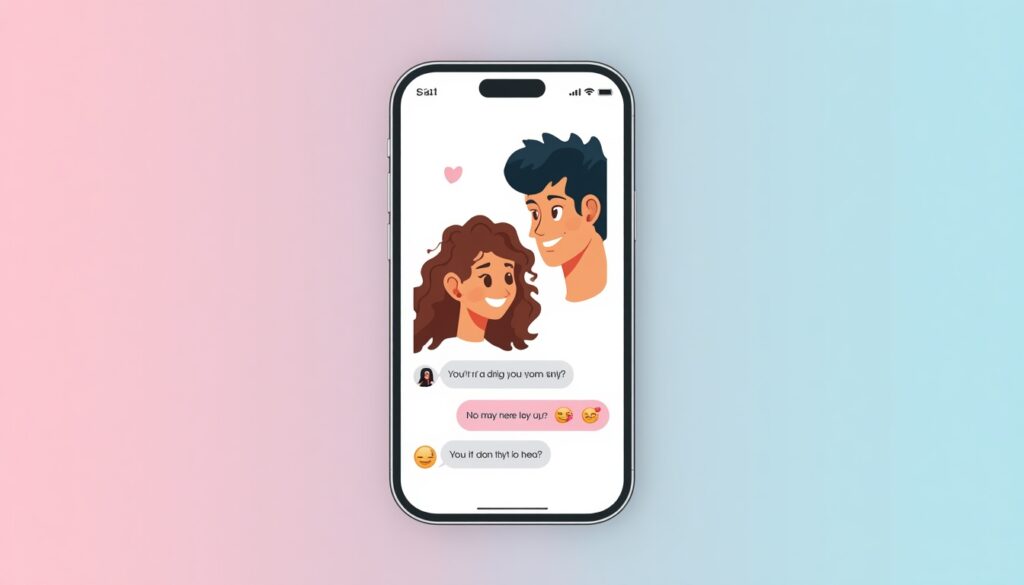
In text conversations, PDA usually appears in three ways:
1. Positive Usage
Sometimes PDA is viewed as sweet and romantic.
Examples:
- “They look adorable together.”
- “Cute PDA in those vacation pics.”
- “Relationship goals honestly.”
In this context, PDA carries a positive emotional tone.
2. Playful Teasing
Friends often joke about couples displaying affection.
Examples:
- “Save the PDA for later.”
- “Okay lovebirds, enough PDA.”
This usage is lighthearted rather than critical.
3. Negative Usage
Occasionally, PDA is used to express discomfort.
Examples:
- “That was way too much PDA.”
- “Everyone felt awkward watching.”
Here, the term suggests excessive public affection.
What Does PDA Mean on Social Media?
On social media, PDA often extends beyond physical affection.
Modern online PDA can include:
- Couple selfies
- Romantic captions
- Love posts
- Anniversary tributes
- Flirty comments
- Relationship videos
- Public declarations of love
A person might comment:
“The PDA is strong in this post.”
They’re referring to visible online affection.
Online PDA → appears through → romantic posts, captions, tags, and comments.
As relationships become increasingly digital, online PDA has become just as common as in-person PDA.
PDA on Instagram
Instagram is one of the biggest hubs for online PDA.
Examples include:
- Posting couple photos
- Writing romantic captions
- Tagging a partner
- Sharing anniversary celebrations
- Uploading affectionate reels
Many users enjoy sharing relationship milestones publicly. Others prefer keeping relationships private.
Neither approach is right or wrong. It really depends on personal preference.
PDA on Snapchat
On Snapchat, PDA typically appears through:
- Couple selfies
- Private story posts
- Romantic streak photos
- Shared experiences
Because Snapchat feels more casual, PDA often comes across as spontaneous and natural.
Many younger users consider Snapchat one of the most common places for digital affection.
PDA on TikTok
TikTok has transformed modern dating culture.
Relationship-focused content often includes:
- Couple challenges
- Romantic trends
- Day-in-the-life videos
- Surprise gifts
- Proposal videos
These forms of content are essentially public displays of affection viewed by thousands—or even millions—of people.
Social media → amplifies → public expressions of affection.
This is one reason PDA has become more visible than ever before.
The Emotional Meaning Behind PDA
PDA isn’t only about physical actions.
At a deeper level, it often represents:
- Trust
- Comfort
- Emotional connection
- Relationship confidence
- Security
- Intimacy
Many relationship experts suggest that healthy affection can strengthen emotional bonds.
PDA → reflects → emotional connection and intimacy.
When people openly show affection, they often feel secure in their relationship.
Of course, every couple is different. Some are naturally affectionate, while others prefer privacy.
Is PDA Good or Bad?
The truth is simple:
PDA is neither inherently good nor bad.
Its perception depends on:
- Personal preferences
- Social setting
- Cultural expectations
- Relationship boundaries
Some people find PDA romantic and heartwarming.
Others find it uncomfortable or inappropriate.
Neither perspective is automatically correct.
What matters most is mutual respect and awareness of surroundings.
Cultural Differences in PDA
Attitudes toward PDA vary significantly around the world.
Cultures That Often Accept PDA
Many Western countries generally view mild affection as normal.
Examples include:
- Holding hands
- Quick hugs
- Brief kisses
These actions usually attract little attention.
Cultures With More Conservative Views
In some regions, public affection may be considered private.
Even simple romantic gestures can sometimes be discouraged in public settings.
Cultural norms → influence → acceptance of PDA.
Understanding these differences helps avoid misunderstandings when traveling or interacting with diverse communities.
The Psychology of PDA

Psychologists often examine why people engage in public displays of affection.
Possible reasons include:
Emotional Security
Affection can reinforce emotional bonds.
Relationship Satisfaction
Happy couples may naturally express affection more openly.
Pride in the Relationship
Some people enjoy publicly celebrating their partner.
Social Connection
PDA can communicate commitment to others.
However, excessive PDA may occasionally stem from validation-seeking behaviors.
The reasons vary from person to person, so there isn’t one universal explanation.
Is Holding Hands Considered PDA?
Yes.
Holding hands is one of the most common and socially accepted forms of PDA.
Although it is generally considered mild affection, it still qualifies as a public display of affection because it occurs openly.
Many people view hand-holding as:
- Respectful
- Romantic
- Comfortable
- Appropriate
In most situations, it is considered a very acceptable form of PDA.
What Is Considered Excessive PDA?
Excessive PDA is subjective.
However, people commonly describe PDA as excessive when:
- It becomes overly intimate
- It makes others uncomfortable
- It disrupts social settings
- It ignores social boundaries
Examples may include prolonged kissing in formal environments or behavior that draws excessive attention.
The key factor is context.
What feels normal at a concert may seem inappropriate during a business meeting.
Alternative Meanings of PDA
One major weakness in many articles is that they only discuss romantic meanings.
In reality, PDA can have several alternative definitions.
Personal Digital Assistant
Historically, PDA referred to a Personal Digital Assistant.
These were handheld devices used before smartphones became widespread.
Examples included:
- Digital calendars
- Contact managers
- Portable organizers
Although less common today, this meaning still appears in technology discussions.
Pathological Demand Avoidance
In healthcare and psychology, PDA can stand for Pathological Demand Avoidance.
This term is associated with certain autism spectrum presentations and describes extreme resistance to everyday demands.
In this context, PDA has absolutely nothing to do with romance.
Professional Contexts
Various industries use PDA as an acronym for specialized terms.
Therefore, context always matters.
When someone asks:
“What does PDA mean in text?”
The answer is usually Public Display of Affection, but not always.
PDA vs Other Popular Text Slang
Understanding similar texting abbreviations can help avoid confusion.
| Term | Meaning | Usage |
| PDA | Public Display of Affection | Romantic behavior |
| OTP | One True Pairing | Favorite couple |
| Bae | Romantic partner | Affectionate |
| TMI | Too Much Information | Oversharing |
| SMH | Shaking My Head | Disapproval |
| IMO | In My Opinion | Personal viewpoint |
Texting slang → simplifies → relationship-related communication.
This is why abbreviations remain popular across social platforms.
PDA and Modern Dating Culture
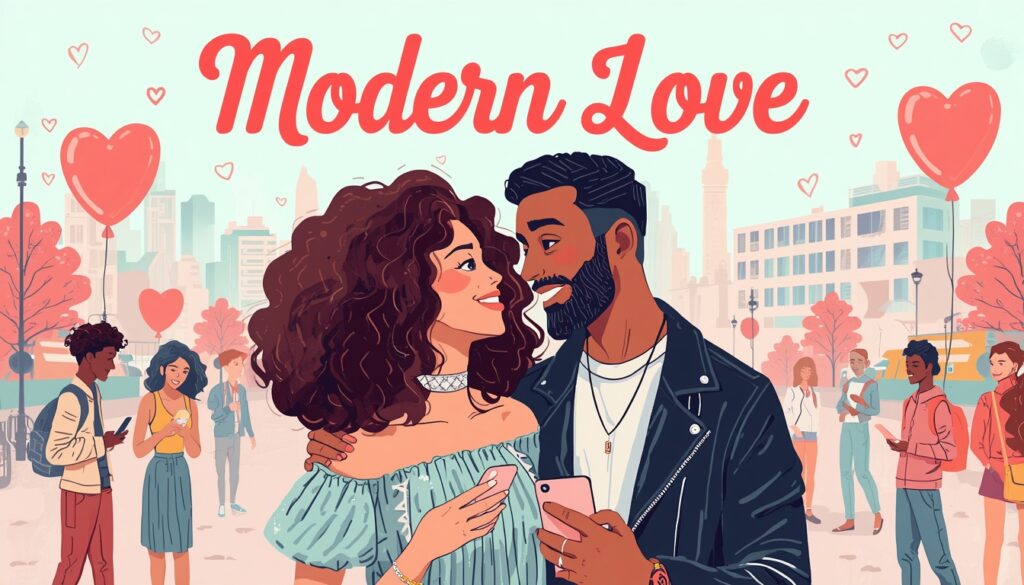
Modern relationships are increasingly visible online.
Today’s couples often share:
- Vacation photos
- Engagement announcements
- Relationship milestones
- Everyday moments
As a result, public affection has evolved.
In previous generations, PDA mainly occurred in physical spaces.
Now, it also happens digitally.
This shift has changed how people think about privacy, intimacy, and relationships.
Soft Launch vs Hard Launch Relationships
A newer social media trend connected to PDA involves relationship launches.
Soft Launch
A subtle hint that someone is dating.
Examples:
- A hand in a photo
- Partial couple images
- Anonymous date pictures
Hard Launch
A public announcement revealing the relationship.
Examples:
- Full couple photos
- Relationship status updates
- Public declarations
Both approaches represent forms of digital PDA.
Many younger users carefully choose between the two.
How Gen Z Uses PDA Differently
Gen Z has reshaped online communication.
Compared to previous generations, Gen Z often:
- Shares more relationship content
- Uses visual communication
- Engages heavily with social media
- Participates in relationship trends
However, many Gen Z users also value authenticity and boundaries.
Interestingly, some people who frequently post romantic content offline may avoid excessive online PDA altogether.
When Is PDA Appropriate?
PDA is generally appropriate when:
- Both partners are comfortable
- The setting is casual
- Boundaries are respected
- Others aren’t negatively impacted
Healthy PDA typically feels natural rather than performative.
Communication between partners remains important.
What feels comfortable for one person may feel uncomfortable for another.
Examples of PDA in Real Conversations
Example 1
Person A: “Did you see those two at the mall?”
Person B: “Yeah, there was a lot of PDA.”
Meaning: They were visibly affectionate.
Example 2
Person A: “They held hands the entire date.”
Person B: “That’s actually pretty cute.”
Meaning: Positive reaction to PDA.
Example 3
Person A: “Their Instagram is full of couple photos.”
Person B: “That’s some serious online PDA.”
Meaning: Affection displayed through social media.
Featured Snippet Answer

What Does PDA Mean in Text?
PDA means Public Display of Affection. In text messages and social media, it refers to visible romantic or affectionate behavior such as holding hands, hugging, kissing, cuddling, or sharing affectionate content online.
Key Takeaways
- PDA most commonly means Public Display of Affection.
- It describes visible romantic behavior in public or online.
- PDA includes hugging, kissing, hand-holding, cuddling, and flirting.
- Online PDA appears through social media posts, captions, comments, and tags.
- Cultural norms influence how PDA is perceived.
- PDA often reflects intimacy, trust, and emotional connection.
- Alternative meanings include Personal Digital Assistant and Pathological Demand Avoidance.
- Context determines the correct interpretation.
Frequently Asked Questions
What does PDA mean from a girl in a text?
When a girl uses PDA in a text, she is usually referring to Public Display of Affection. She may be discussing romantic behavior, affection between couples, or commenting on someone being openly affectionate in public or online.
What does PDA mean on Snapchat?
On Snapchat, PDA typically refers to affectionate couple photos, romantic snaps, relationship posts, or visible displays of affection shared through stories and messages. The meaning remains Public Display of Affection in most cases.
Is holding hands considered PDA?
Yes, holding hands is generally considered a mild form of PDA. Because it is an affectionate gesture displayed publicly, it falls under the broader category of Public Display of Affection.
Can PDA be online instead of in person?
Absolutely. Modern online PDA includes romantic captions, couple selfies, relationship announcements, flirty comments, and affectionate social media posts. Digital platforms have expanded the traditional definition of PDA beyond physical interactions.
Meta Description: What does PDA mean in text? Learn the full meaning of PDA, online usage, relationship context, alternative definitions, and examples in 2026.
what does pda mean in text
PDA in text usually stands for Public Display of Affection. It refers to romantic or affectionate actions, such as hugging, kissing, or holding hands, that are shown publicly or shared online.
what do pda mean
PDA means Public Display of Affection in most texting and social media conversations. People use it to describe couples showing affection in front of others.
pda slang meaning
In slang, PDA refers to visible romantic behavior between partners. It can describe both real-life affection and online displays of love through posts, photos, or comments.
pda meaning in text
The meaning of PDA in text is Public Display of Affection. It is commonly used when talking about couples who openly express affection in public places or on social media.