

Have you ever received a message that simply said “OFC” and wondered what it actually means? You are not the only one. Online conversations change quickly, and new abbreviations appear almost every day. The phrase what does OFC mean in a text message is searched often because people see this three-letter shortcut in chats, comments, and social media replies.
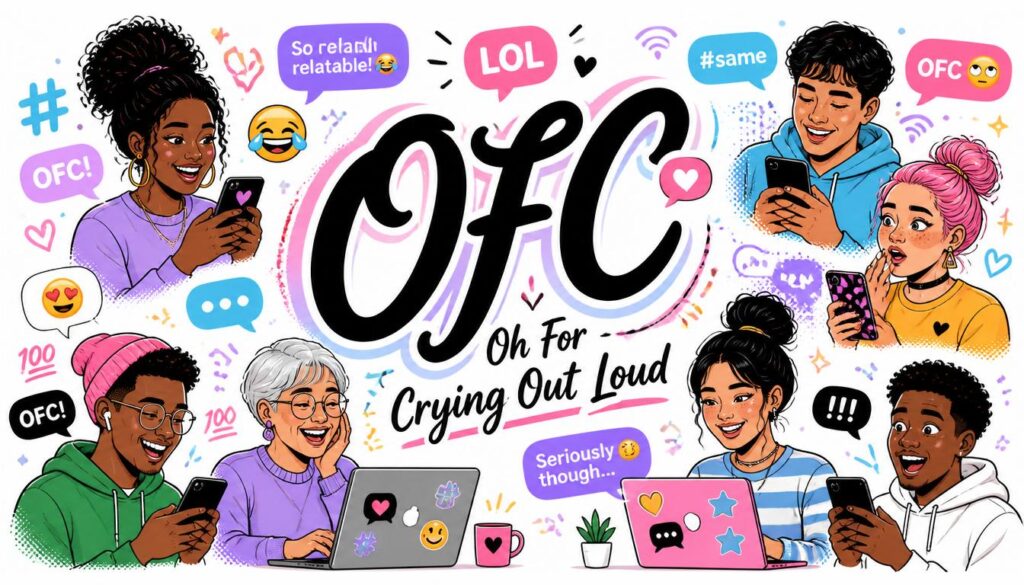
The answer is simple: OFC means “Of Course.” It is a popular texting abbreviation used to show agreement, confirmation, confidence, or reassurance. Instead of typing the full phrase, people use OFC because it is faster and fits the quick style of digital communication.
However, OFC is not only about saving time. The meaning can slightly change depending on the conversation, relationship, punctuation, and emotional tone. A message like “OFC!” feels different from “OFC…” even though the words are the same.
This complete guide explains the OFC meaning in chat, how people use it, examples from real conversations, emotional meanings, common mistakes, and when you should or should not use this internet slang term.
What Does OFC Mean in a Text Message?
OFC stands for “Of Course.” It is an informal abbreviation commonly used in texting and online conversations to express agreement, certainty, or a positive response.
When someone writes OFC, they usually mean:
- Yes, definitely
- Absolutely
- Naturally
- Sure, I agree
- Of course I will
The abbreviation is especially common in casual conversations between friends, family members, and online communities.
For example:
Person A: “Can you help me with this project?”
Person B: “OFC!”
The meaning is:
“Yes, of course I can help.”
The relationship is clear: OFC → means → Of Course. This simple connection is why the abbreviation has become widely understood across many online spaces.
Why Do People Use OFC Instead of Writing “Of Course”?
People use OFC because modern conversations are designed around speed and convenience. Typing shorter messages helps conversations move quickly, especially on mobile devices.
The main reasons OFC became popular include:
- Faster communication: Three letters take less time to type than two full words.
- Casual texting style: Short forms feel natural in friendly conversations.
- Digital language trends: Internet users often create shortcuts for commonly used phrases.
- Emotional expression: OFC can sound warmer than a simple “yes.”
Texting abbreviations are now a normal part of online communication. Similar examples include LOL, BTW, IMO, FR, and AFK. These terms allow people to share ideas quickly while keeping messages informal.
The connection is straightforward: texting abbreviations → help users communicate → faster and more efficiently.
The Real Meaning and Emotional Tone Behind OFC

Although the official meaning is always “Of Course,” the emotional tone can change depending on context.
Understanding tone is important because digital messages do not include facial expressions or voice changes. A short word can sometimes carry different feelings.
Friendly and Helpful Tone
OFC often sounds warm and supportive.
Example:
“Can you send me the notes from class?”
“OFC 😊”
Here, OFC means:
“Of course, I would be happy to help.”
It creates a friendly feeling and shows willingness.
Excited Tone
Sometimes OFC shows enthusiasm.
Example:
“Are you coming to the concert tonight?”
“OFC I am!”
This does not just mean yes. It suggests excitement and confidence.
Playful Tone
OFC can also be used in a joking or teasing way.
Example:
“Did you really finish the whole pizza?”
“OFC I did 😂”
The speaker is probably being playful rather than making a serious statement.
Sarcastic Tone
In some situations, OFC may sound sarcastic.
Example:
“You remembered the meeting time, right?”
“OFC…”
The extra dots can make the message feel annoyed or humorous depending on the relationship between the people.
The key relationship is: OFC usage → depends on → tone, punctuation, and context.
OFC Meaning Across Different Platforms
OFC appears across many digital platforms because casual online communication uses similar language patterns everywhere.
OFC in Text Messages
Traditional text messaging is one of the most common places where people use OFC.
Examples:
- “OFC I’ll be there.”
- “OFC you can borrow it.”
- “OFC that makes sense.”
In these examples, OFC replaces “of course” while keeping the same meaning.
OFC on Instagram
On Instagram, OFC often appears in comments and direct messages.
Example:
“You look amazing!”
“OFC 😍”
The meaning may depend on the situation. It can be agreement, excitement, or a friendly reaction.
OFC on Snapchat
Snapchat conversations usually move quickly, so short expressions are common.
Examples:
- “OFC I remember”
- “OFC you’re invited”
- “OFC haha”
The abbreviation matches Snapchat’s fast communication style.
OFC in Group Chats
Group chats rely heavily on quick responses. OFC allows someone to confirm plans without writing a longer message.
Example:
“Are we still meeting at 6?”
“OFC.”
Everyone understands the person is confirming the plan.
Is OFC Rude?
No, OFC is generally not rude. It is usually a positive and friendly abbreviation that shows agreement or certainty.
However, the tone depends on how it is written.
| Version | Possible Meaning |
|---|---|
| OFC! | Friendly, excited, enthusiastic |
| OFC 😊 | Warm and supportive |
| OFC. | Neutral confirmation |
| OFC… | May sound sarcastic or annoyed |
A person’s relationship with the sender also matters. A close friend using “OFC” may sound natural, while the same phrase in a serious discussion could feel too casual.
When Should You Use OFC?
You can use OFC in informal situations where short messages are acceptable.
Good situations for OFC include:
- Talking with friends
- Replying in social media chats
- Confirming plans
- Showing support
- Agreeing with someone
- Casual group conversations
Example:
Friend: “Can you come over later?”
You: “OFC!”
This feels natural because the conversation is relaxed.
When Should You Avoid Using OFC?
OFC is not suitable for every situation. Since it is internet slang, it may appear unprofessional in formal communication.
Avoid OFC in:
- Professional emails
- Job applications
- Academic writing
- Official business messages
- Formal reports
Instead of writing:
“OFC I will complete the task.”
A professional version would be:
“Of course, I will complete the task.”
The meaning is the same, but the communication style is different.
The relationship is clear: formal communication → requires avoiding → informal slang like OFC.
OFC vs Similar Texting Abbreviations
OFC is often compared with other short responses. While they may look similar, their emotional strength can be different.
| Term | Meaning | Tone |
| OFC | Of Course | Confident agreement |
| Sure | Agreement | Neutral |
| OK | Acceptance | Simple |
| YEP | Yes | Casual |
| FR | For Real | Emphasis |
OFC usually feels warmer than “OK” and stronger than “sure.” Saying OFC often suggests that the answer should be obvious or expected.
Why OFC Became Popular in Digital Culture
Language changes as people find new ways to communicate. The rise of smartphones, messaging apps, and social media has created a culture where short expressions are valuable.
The popularity of OFC comes from three major ideas:
- Speed: People want quick replies.
- Simplicity: Short messages are easier to understand.
- Emotional clarity: Abbreviations can still show personality.
Digital language evolution does not remove emotion from communication. In many cases, it creates new ways to express feelings quickly.
OFC is an example of emotional efficiency. A person can communicate confidence, support, and agreement with only three letters.
Psychological Meaning of Using OFC
People often use OFC because they want to communicate more than a simple “yes.”
OFC can suggest:
- Confidence
- Support
- Reassurance
- Connection
- Agreement
For example:
“I know I can count on you.”
“OFC.”
This response suggests reliability and emotional support.
The abbreviation works because the reader already understands the intended feeling behind it.
Common Mistakes When Using OFC
Even though OFC is simple, people sometimes misunderstand or misuse it.
Common mistakes include:
Using OFC in Professional Situations
A workplace email usually requires complete words and a more formal tone.
Assuming OFC Always Sounds Friendly
Context changes meaning. A short reply with certain punctuation may sound cold or sarcastic.
Overusing OFC
Using the same abbreviation repeatedly can make conversations feel less natural.
Misunderstanding Sarcasm
Sometimes people use OFC ironically. Always consider the relationship and conversation history.
How to Respond When Someone Says OFC
Usually, OFC does not require a complicated reply.
Natural responses include:
- “Thanks!”
- “I appreciate it.”
- “Great!”
- “That helps.”
- “Awesome.”
The best response depends on the situation. If someone is offering support, a simple thank-you works well.
Advanced OFC Examples in Real Conversations
Example 1: Asking for Help
Person A: “Can you check my assignment?”
Person B: “OFC, send it over.”
Meaning: “Yes, of course. I’m happy to help.”
Example 2: Making Plans
Friend: “Are you coming to my birthday party?”
You: “OFC I am!”
Meaning: “Absolutely, I’m coming.”
Example 3: Showing Support
Person A: “I’m worried about the interview.”
Person B: “OFC you’ll do great.”
Meaning: “Of course you will do great.”
How OFC Fits Into Modern Internet Slang
OFC is part of a larger online vocabulary that helps people communicate quickly. Terms like LOL, BRB, BTW, and FR became popular because online conversations often require speed.
Unlike random abbreviations, OFC became successful because it represents a phrase people use frequently in everyday speech.
Its popularity shows how language adapts to technology. People continue creating shorter ways to communicate while keeping the original meaning and emotion.
Frequently Asked Questions About OFC
What does OFC mean in a text message?
OFC means “Of Course.” It is an informal texting abbreviation used to express agreement, confirmation, confidence, or enthusiasm. People commonly use it in casual conversations, social media messages, and group chats.
Is OFC formal or informal?
OFC is informal internet slang. It is commonly used in texting, online chats, and social media. For professional emails, academic writing, or official communication, it is better to write the complete phrase “of course.”
Can OFC be sarcastic?
Yes, OFC can sometimes sound sarcastic depending on punctuation and context. For example, “OFC…” may suggest frustration or humor. The meaning depends on the relationship between the speakers and the overall conversation.
Should I use OFC at work?
Generally, avoid using OFC in formal workplace communication. While many people understand it, writing “of course” creates a more professional tone and is better suited for business messages.
Final Thoughts
Now you know the answer to what does OFC mean in a text message. The abbreviation stands for “Of Course” and is widely used in casual digital communication to show agreement, certainty, and support.
OFC is a small example of how online language continues to evolve. It saves time, adds personality, and helps people communicate emotions quickly. The most important thing is understanding the situation where it is used.
Use OFC with friends, understand the tone behind it, and remember that context always shapes meaning.