
Have you ever received a message that simply said “NBD” and wondered what the person actually meant? If you are asking what does NBD mean in text, you are not alone. Modern digital communication moves quickly, and people often replace full sentences with short slang expressions that carry emotions, attitudes, and hidden meanings.
NBD means “No Big Deal” in texting. It is commonly used when someone wants to show that something is not serious, stressful, or worth worrying about. However, the meaning of NBD can change depending on the situation, relationship, and tone behind the message.
A simple “NBD” can mean “don’t worry,” “it’s okay,” or “not a problem.” But sometimes it can also hide frustration, sarcasm, or disappointment. Understanding the context is the key to reading it correctly.
This complete guide explains the NBD meaning in texting, its emotional tone, examples, social media usage, history, comparisons with similar slang, and how to respond when someone sends you NBD.
What Does NBD Mean in Text?
NBD means “No Big Deal.” In text messages and online conversations, it is an abbreviation used to make a situation sound less important or less stressful.
When someone writes NBD, they are usually communicating one of these ideas:
- “It’s okay.”
- “Don’t worry about it.”
- “It’s not a problem.”
- “I’m not upset.”
- “It’s nothing serious.”
For example:
Person A: Sorry I replied so late.
Person B: NBD.
Here, NBD means the person is not bothered by the late reply.
Another example:
“I forgot my charger today, but NBD.”
The speaker is saying the mistake is minor and they are handling it calmly.
The important thing to remember is that NBD is not only about the event itself. It is also about the attitude toward that event.
The Simple Definition of NBD
NBD = No Big Deal
It is a form of internet slang and texting slang that helps people communicate quickly while adding an emotional message.
Instead of typing:
“It really is not a serious issue, so you do not need to worry.”
Someone can simply write:
“NBD.”
This makes the conversation faster, more casual, and often more friendly.
Why Do People Use NBD Instead of Full Sentences?
People use NBD in texting because digital conversations often favor speed and simplicity. Short expressions allow people to share reactions without writing long explanations.
The popularity of NBD comes from several reasons:
- It saves time during quick conversations.
- It sounds relaxed and casual.
- It reduces tension after small mistakes.
- It creates a friendly tone between people.
- It fits modern digital communication style.
Digital communication has changed how people express emotions. A short phrase can now carry the same meaning as a complete sentence.
For example:
“I accidentally deleted the file, sorry.”
“NBD, I have a backup.”
The second response feels easier, warmer, and less dramatic.
The Emotional Meaning Behind NBD
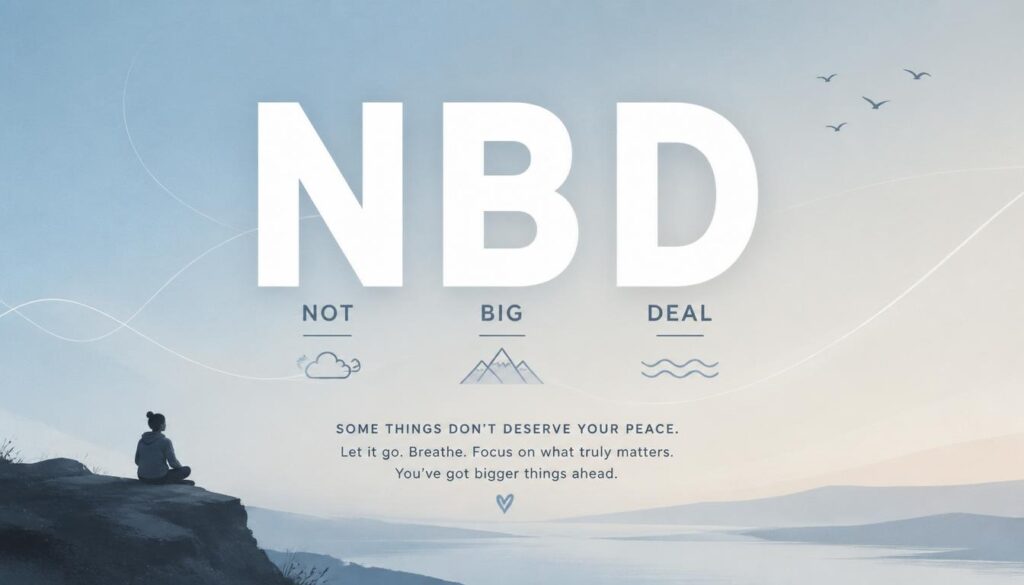
Although the dictionary meaning of NBD is simple, the emotional meaning can be more complicated.
NBD does not always mean the person truly does not care. Sometimes it shows genuine calmness, while other times it hides feelings.
The context decides the real meaning.
Genuine Calm
Sometimes NBD means exactly what it says.
Example:
“I missed my favorite show because I was busy, NBD.”
Meaning:
The person is genuinely relaxed and does not feel upset.
Friendly Reassurance
People often use NBD to make someone else feel comfortable.
Example:
Person A: Sorry, I spilled coffee near your notebook.
Person B: NBD, it was just a little.
Here, NBD shows kindness and reassurance.
Hidden Frustration
Sometimes NBD can have a completely different emotional meaning.
Example:
Person A: Sorry, I forgot our meeting again.
Person B: NBD.
The person might actually mean:
“I am annoyed, but I do not want to argue.”
This is why reading only the words is not enough. You also need to understand the relationship and previous conversation.
How Context Changes the Meaning of NBD
Conversation context determines the actual meaning of NBD.
The same abbreviation can sound polite, neutral, or even rude depending on who says it and why.
Ask these questions before interpreting NBD:
- What happened before the message?
- Who sent the message?
- Is the person usually direct or sarcastic?
- Are they joking or serious?
- Does the situation involve something important?
Example:
“You broke my old coffee mug. NBD.”
This might be genuine because the item was not valuable.
But:
“You forgot my birthday. NBD.”
This may sound sarcastic because birthdays usually carry emotional importance.
NBD on Different Platforms
NBD appears across many social media platforms and messaging apps. The meaning stays mostly the same, but the style of use can change.
| Platform | How NBD Is Commonly Used |
|---|---|
| Text Messages | Used between friends, family members, or partners to show reassurance |
| Snapchat | Often appears with casual updates, photos, or everyday situations |
| Used in captions and stories to show a relaxed attitude | |
| X/Twitter | Sometimes used humorously or sarcastically after unexpected events |
NBD in Text Messages
In normal conversations, NBD is most common between people who already know each other.
Example:
“Sorry I missed your call.”
“NBD, call me later.”
It creates a casual and understanding feeling.
NBD on Snapchat and Instagram
On visual platforms, people often use NBD to show they are not taking a small problem too seriously.
Examples:
- “Bad hair day? NBD.”
- “Forgot my workout today. NBD.”
- “Rain ruined my plans, NBD.”
It gives a confident, carefree impression.
Is NBD Rude or Polite?
NBD can be both polite and rude depending on the situation.
It is usually polite when someone uses it to comfort another person.
Example:
“Sorry I made you wait.”
“NBD.”
This sounds friendly.
However, it can feel rude when the situation is serious.
Example:
“I lost an important document.”
“NBD.”
This response may seem dismissive because the other person’s concern is significant.
A good rule is:
Use NBD for small problems, not major emotional situations.
Common Misunderstandings About NBD
Many people think NBD always means “I do not care.” That is incorrect.
In many situations, NBD means:
- “I care, but I do not want unnecessary drama.”
- “I understand, mistakes happen.”
- “I am trying to stay positive.”
- “I want to keep things peaceful.”
NBD is often an example of emotional shorthand. It communicates feelings quickly without explaining everything.
The History and Evolution of NBD
One interesting thing about NBD is how ordinary phrases become digital language.
The phrase “No Big Deal” existed in everyday spoken English long before texting became popular. As online communication grew, people started shortening common phrases.
Similar changes created abbreviations like:
- LOL (Laugh Out Loud)
- BRB (Be Right Back)
- IDK (I Don’t Know)
- TBH (To Be Honest)
NBD followed the same pattern.
The evolution looks like this:
Everyday phrase → online abbreviation → mainstream texting slang
The rise of smartphones and social media helped these short expressions become normal parts of communication.
NBD vs Similar Texting Slang
NBD is related to many other casual expressions, but each one has a slightly different emotional purpose.
| Term | Meaning | Main Tone |
|---|---|---|
| NBD | No Big Deal | Calm and reassuring |
| NP | No Problem | Polite and helpful |
| IDK | I Don’t Know | Neutral or uncertain |
| FR | For Real | Serious agreement |
| TBH | To Be Honest | Direct and personal |
NBD vs NP
NBD and NP are similar, but they are not exactly the same.
“NP” focuses more on solving or accepting a problem.
“NBD” focuses more on reducing the importance of the situation.
Example:
“Can you help me tomorrow?”
“NP.”
Meaning: I can help.
“Sorry I forgot to bring it.”
“NBD.”
Meaning: It is not a big issue.
When Should You Use NBD?
NBD works best in casual situations where you want to sound relaxed.
Good situations for NBD:
- A friend apologizes for a small mistake.
- Someone is worried about a minor issue.
- You want to keep a conversation positive.
- You are chatting informally.
Avoid using NBD when:
- Someone is seriously upset.
- The issue involves strong emotions.
- You are writing a formal business message.
- The situation needs a serious apology.
For professional communication, a clearer response is often better.
Instead of:
“NBD.”
You might write:
“No worries, thanks for letting me know.”
How to Respond When Someone Says NBD
If someone sends you NBD, your reply depends on the situation.
Good responses include:
- “Thanks for understanding.”
- “I appreciate it.”
- “That means a lot.”
- “Thanks, I was worried about it.”
If you think they may be upset underneath, you can respond with more care:
“I appreciate you saying that. I hope it really is okay.”
Avoid replies like:
- “You obviously don’t care.”
- “You are pretending.”
Those responses can create unnecessary conflict.
The Psychology Behind NBD
The use of NBD reveals something interesting about modern communication.
NBD often works as a self-soothing phrase. People may use it to manage stress, avoid conflict, or show emotional control.
Someone saying NBD may be:
- Managing their emotions.
- Trying to stay calm.
- Protecting another person’s feelings.
- Avoiding unnecessary arguments.
- Showing maturity.
Digital communication is not only about transferring information anymore. It is also about managing emotions quickly.
Cultural Impact of NBD in Digital Communication
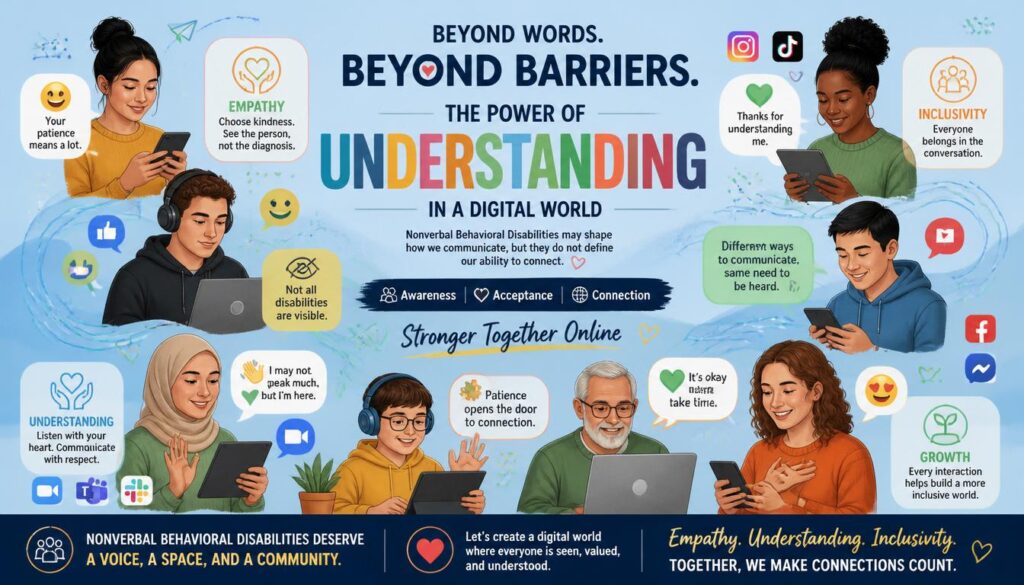
Short slang terms like NBD show how language changes with technology.
Modern users often prefer communication that is:
- Faster.
- Shorter.
- More emotional.
- More flexible.
A three-letter abbreviation can communicate an entire attitude.
That is why NBD has become more than just a shortened phrase. It represents a digital culture where people value quick emotional signals.
Frequently Asked Questions About NBD
What does NBD mean in a text message?
NBD means “No Big Deal.” It is used in texting to show that something is not serious or stressful. Depending on the context, it can express reassurance, friendliness, calmness, or sometimes hidden frustration.
Is NBD rude in texting?
NBD is not automatically rude. It is usually polite when comforting someone about a small mistake. However, it may sound dismissive if used during a serious problem or when someone needs emotional support.
Can NBD be sarcastic?
Yes, NBD can be sarcastic. Someone may write it while actually feeling annoyed or disappointed. The surrounding conversation, relationship, and tone usually reveal whether the person is joking or genuinely relaxed.
Should I use NBD in professional messages?
NBD is better suited for informal workplace chats rather than formal emails. In professional situations, clearer phrases like “No worries” or “That’s okay” usually sound more appropriate and respectful.
Meta Description
What does NBD mean in text? Learn the meaning, tone, examples, social media use, and how to respond to this popular texting slang.