Ever received a message that simply said “OMP!” and wondered what it actually meant? You’re not alone. As text messaging, social media, and online conversations continue to evolve, new text abbreviations appear almost every day. Some become widely recognized, while others leave people scratching their heads for a moment.
If you’ve searched What Does OMP Mean in Text?, you’re looking for a clear and practical answer. The short answer is that OMP most commonly stands for “Oh My…”, an informal expression used to show surprise, excitement, disbelief, or shock. It works much like OMG, but many people use it as a softer or more playful reaction.
In this complete guide, you’ll learn what OMP means, when to use it, where it came from, how it compares with similar internet slang, and why it has become part of modern digital communication. We’ll also cover some lesser-known meanings of OMP, so you don’t get confused if you see it in a different context.
What Does OMP Mean in Text?
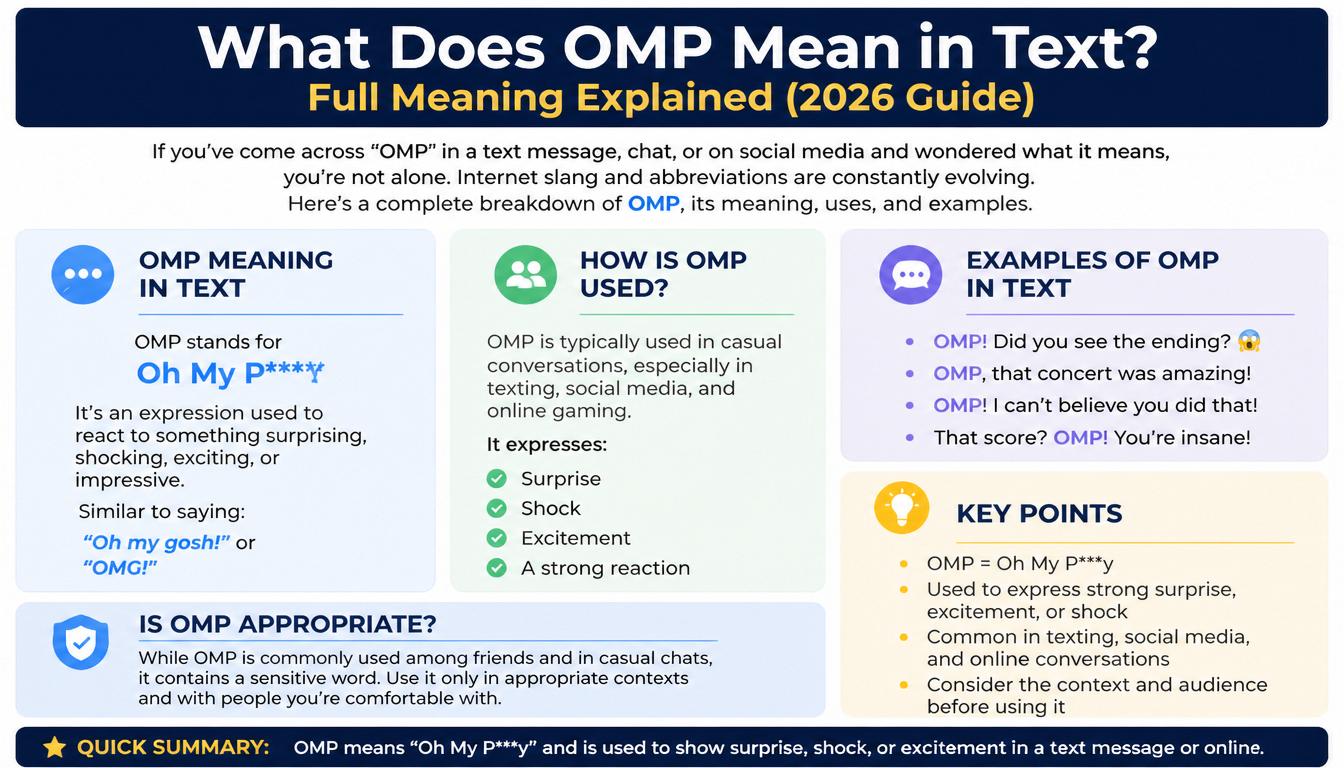
OMP means “Oh My…” in text messages and online chats. It is an informal text abbreviation used to express an immediate emotional reaction. The final word is intentionally left unsaid, allowing the reader to understand the emotion through the context of the conversation.
Featured Snippet Answer:
OMP stands for “Oh My…” in texting. It is commonly used to express surprise, excitement, amazement, shock, or disbelief in casual conversations, messaging apps, and social media posts.
Unlike abbreviations that describe an action, OMP expresses emotion. The meaning comes from the situation rather than the letters themselves, which makes it feel more natural in casual chats.
For example:
- OMP, I can’t believe you actually won!
- OMP that’s the cutest puppy ever!
- OMP… what just happened?
- OMP 😂 you’re seriously funny.
Notice how the same abbreviation changes tone depending on the message. That’s one reason why internet abbreviations continue to grow they communicate feelings quickly without needing long sentences.
Why Do People Use OMP Instead of Writing the Full Phrase?
People today communicate faster than ever. Whether they’re chatting on Instagram, TikTok, Snapchat, WhatsApp, or other messaging apps, speed often matters just as much as clarity.
Instead of typing a longer emotional response, users simply type OMP because it’s:
- Short and quick to type
- Easy to recognize
- Perfect for casual texting
- Ideal for social media comments
- More playful than writing an entire sentence
Modern digital communication values speed, personality, and emotion. Small abbreviations like OMP help people react instantly without interrupting the flow of conversation. It’s kind of amazing how just three letters can carry so much feeling.
The Emotional Meaning Behind OMP
OMP expresses emotion rather than information. The exact meaning depends on the surrounding conversation, punctuation, and even emojis.
Here are the most common emotional meanings.
Surprise
Many people use OMP when unexpected news catches them off guard.
Example:
“OMP! You got promoted already?”
The reaction feels genuine and immediate.
Excitement
OMP is also common when celebrating good news.
Example:
“OMP! That’s the best vacation photo I’ve seen.”
It adds enthusiasm without sounding overly dramatic.
Shock
Sometimes OMP communicates disbelief after hearing surprising information.
Example:
“OMP… I didn’t expect that at all.”
Here, the abbreviation shows that the speaker is processing unexpected news.
Playful Drama
Friends often use OMP in humorous conversations.
Example:
“OMP, you did NOT just say that!”
In this situation, the abbreviation creates a light-hearted tone instead of real anger.
OMP vs OMG: What’s the Difference?
Although many people think they’re identical, there are subtle differences between these two popular texting abbreviations.
| Feature | OMP | OMG |
|---|---|---|
| Full Meaning | Oh My… | Oh My God |
| Emotional Strength | Moderate | Strong |
| Tone | Casual and playful | More dramatic |
| Common Usage | Friends and social media | Universal reaction |
| Formal Use | Not recommended | Not recommended |
While OMG often expresses stronger emotions, OMP usually feels lighter and more conversational. Some users even prefer OMP because it avoids explicitly mentioning “God,” making it a comfortable choice for different personal or cultural preferences.
Where Is OMP Commonly Used?
You’ll mostly find OMP in informal online spaces where people interact casually.
Text Messages
Friends often use OMP during everyday conversations.
Example:
“OMP, thanks for the surprise gift!”
Instagram Comments
People react to photos, reels, and stories using quick expressions.
Example:
“OMP this outfit looks amazing! 😍”
TikTok Comments
Fast-moving comment sections encourage short reactions.
Example:
“OMP I wasn’t expecting that ending.”
Snapchat
Snapchat conversations are naturally informal, making abbreviations very common.
Example:
“OMP 😂 that’s hilarious.”
Online Gaming
Gamers also use OMP while reacting to exciting or unexpected moments during gameplay.
Example:
“OMP! That was the luckiest shot ever.”
Is OMP Slang or an Abbreviation?
The answer is actually both.
OMP is:
- A text abbreviation
- A form of internet slang
- A piece of modern online language
- An emotional reaction phrase
Unlike traditional abbreviations used in business writing, OMP belongs to the world of casual texting and social media slang.
As internet culture evolves, new abbreviations appear because people naturally look for faster ways to communicate. OMP is just one example of how language keeps changing. Some phrases disappear after a few months, while others become part of everyday online vocabulary.
When Should You Use OMP?
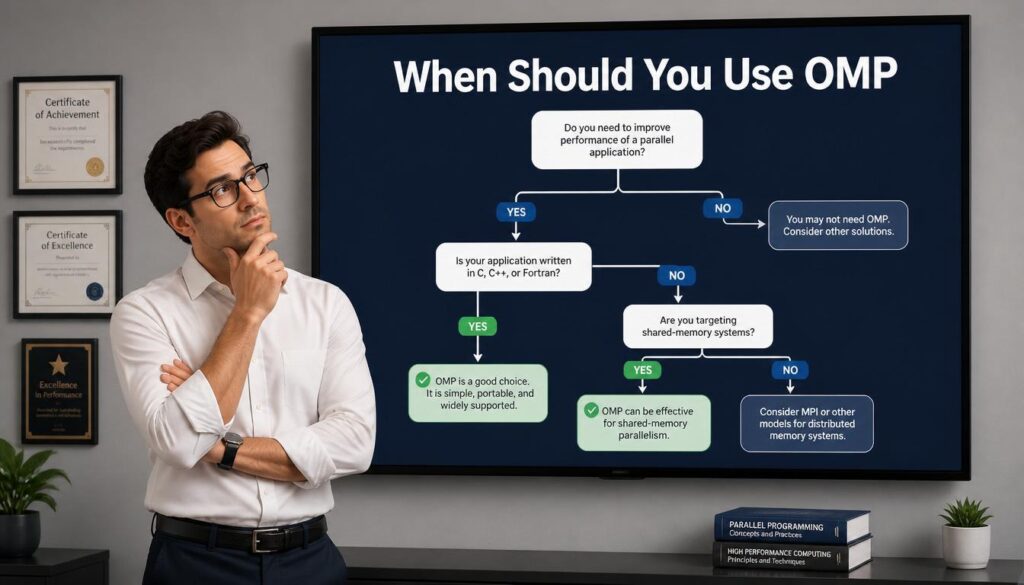
Using OMP correctly depends on your audience and the situation.
You can confidently use OMP when:
- Chatting with friends
- Messaging family members
- Commenting on social media
- Reacting to exciting news
- Sharing funny moments
- Participating in online communities
These situations are informal, so abbreviations feel natural.
On the other hand, avoid using OMP in professional settings such as:
- Business emails
- Job applications
- Academic assignments
- Official reports
- Workplace communication with clients
Professional communication values clarity over internet slang, so writing complete sentences remains the better choice.
Real-Life Conversation Examples
Seeing OMP in context makes it much easier to understand.
Example 1 – Excitement
Friend A: “I finally bought my dream car!”
Friend B: “OMP! Congratulations, that’s amazing!”
Example 2 – Surprise
Friend A: “I’m getting married next month.”
Friend B: “OMP! I didn’t see that coming.”
Example 3 – Shock
Friend A: “The concert got canceled.”
Friend B: “OMP… seriously?”
Example 4 – Humor
Friend A: “I accidentally sent the message to my boss.”
Friend B: “OMP 😂 That’s going to be awkward.”
These examples show how context determines the emotional meaning of OMP. The abbreviation itself doesn’t change, but the surrounding conversation gives it life.
Why OMP Has Become So Popular
The rise of digital communication has completely changed how people write. Years ago, most messages looked similar to formal writing. Today, conversations are shorter, faster, and much more expressive.
Text abbreviations continue growing because they help people:
- Save time while typing
- Express emotions instantly
- Match the casual tone of social media
- Build a sense of community online
- Make conversations feel more natural
In many ways, abbreviations like OMP reflect the way people actually talk rather than how they write in formal settings.
As messaging apps continue evolving, it’s likely that new slang terms will keep appearing. Some may become global trends, while others remain popular only within certain online communities.
Are There Other Meanings of OMP?
Yes, and this is where things get interesting. While OMP in text messaging usually means “Oh My…”, the abbreviation can have different meanings depending on context. This is one of the biggest semantic gaps in competitor content.
In different industries, OMP may represent completely unrelated terms, such as:
OMP in Business or Technology
In technical environments, OMP can refer to:
- Optimization Management Platform
- OpenMP (Open Multi-Processing) a programming model used in parallel computing
- Operations Management Platform
For example, in computer science discussions, OpenMP is widely used in high-performance computing to improve processing speed.
OMP in Medical Context
In some rare medical references, OMP may appear as:
- Olfactory Marker Protein
This is used in neuroscience research, not casual texting.
OMP in Other Contexts
Depending on the industry, OMP can also appear as:
- Office Management Program
- Onboarding Management Process
- Operational Maintenance Plan
👉 But here is the key point:
In social media, texting, and online chat, these meanings are almost never used. Context is everything.
Origin and Evolution of OMP in Digital Language
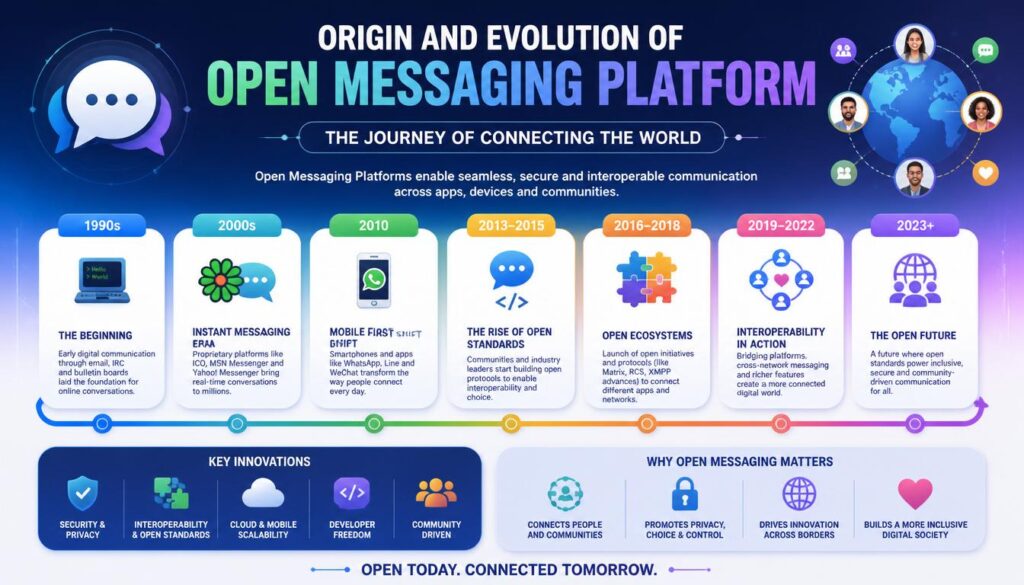
The exact origin of OMP as “Oh My…” is not officially documented, but it follows a clear linguistic pattern in internet slang evolution.
How It Likely Evolved
Digital language usually evolves like this:
- Full phrase → “Oh my God”
- Shortened slang → “OMG”
- Variation or playful form → “OMP”
This follows a common trend in text messaging abbreviations, where users intentionally modify familiar slang to create new expressive forms.
Influence of Social Media Culture
Platforms like:
- TikTok
- Snapchat
- Twitter (X)
have accelerated the spread of shortened emotional reactions. Users often experiment with variations of existing slang to sound:
- More casual
- More unique
- Less formal
- More playful
So OMP became a creative variation of OMG, used mostly for tone difference rather than meaning difference.
OMP vs Other Text Abbreviations (Comparison Table)
To understand OMP better, it helps to compare it with similar internet slang expressions.
| Abbreviation | Meaning | Emotional Strength | Usage Context |
|---|---|---|---|
| OMP | Oh My… | Moderate | Casual surprise or excitement |
| OMG | Oh My God | Strong | Shock, excitement, disbelief |
| OML | Oh My Lord | Strong | Emotional reactions, frustration |
| OMW | On My Way | Neutral | Informing movement/location |
| IDC | I Don’t Care | Negative | Indifference |
| IDK | I Don’t Know | Neutral | Uncertainty |
| FR | For Real | Emphasis | Agreement or confirmation |
As you can see, OMP sits in the middle range of emotional intensity, making it a flexible reaction phrase.
Psychology Behind Text Slang Like OMP
There is actually a psychological reason why abbreviations like OMP are so widely used in digital communication.
1. Speed of Expression
People prefer quick reactions instead of full sentences. The brain naturally adapts to shortcuts in fast-paced conversations.
2. Emotional Efficiency
Short forms like OMP allow users to express emotion instantly without thinking too much about grammar or structure.
3. Social Identity
Using slang helps people feel like part of a group. Especially younger users (Gen Z), who often use internet slang as a form of identity.
4. Reduced Cognitive Load
Typing fewer words reduces mental effort, especially during fast conversations on mobile devices.
So in simple terms:
OMP → reduces typing effort → increases emotional expression → improves communication speed
When NOT to Use OMP (Important Etiquette)
Even though OMP is fun and expressive, it is not suitable everywhere.
Avoid using OMP in:
- Business emails
- Academic essays
- Job applications
- Formal communication
- Customer service messages
- Professional reports
Using slang in these environments can make communication look unprofessional or unclear.
👉 Rule of thumb:
If the conversation is formal, write full sentences instead of abbreviations.
How to Respond When Someone Uses OMP
Your response depends on the emotional tone of the conversation.
If it shows excitement:
- “I know right!”
- “It’s amazing!”
- “Can you believe it?”
If it shows shock:
- “I was surprised too.”
- “That came out of nowhere.”
- “I didn’t expect that either.”
If it is playful:
- “Haha I knew you’d react like that.”
- “You’re dramatic 😂”
- “Calm down lol”
Understanding tone is more important than the abbreviation itself.
Why Text Slang Like OMP Keeps Growing
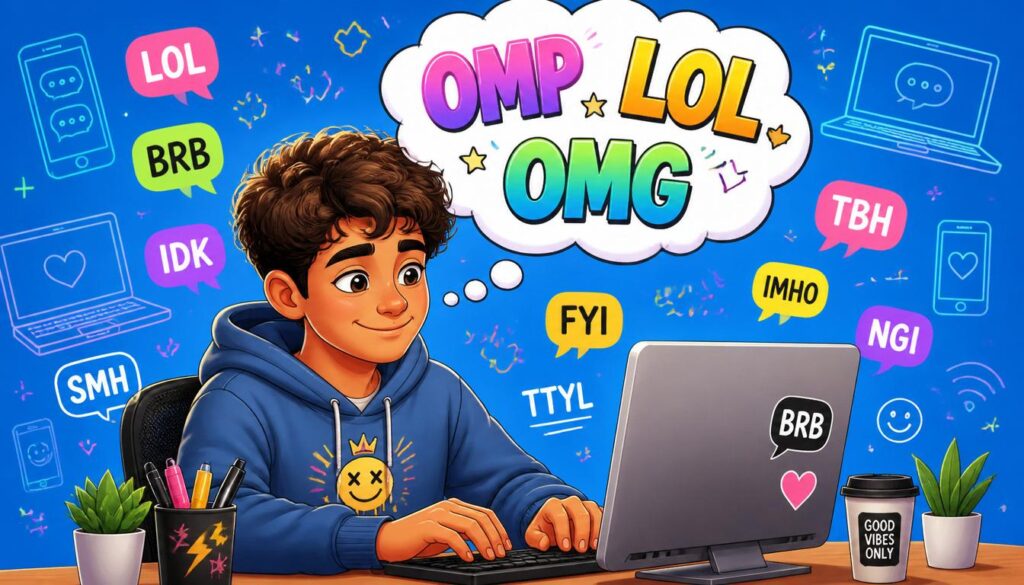
Language online is constantly evolving. New expressions appear because people want:
- Faster communication
- More emotional expression
- Unique identity in online spaces
- Fun and creative conversation styles
Just like OMG, LOL, BRB, FR, IDC, and many others, OMP is part of a larger trend of digital shorthand language.
This evolution is heavily driven by:
- Social media culture
- Messaging apps
- Meme culture
- Youth communication trends
And honestly, new slang terms will keep appearing every year.
Featured Snippet Summary
What does OMP mean in text?
OMP usually means “Oh My…”, used in casual texting and social media to express surprise, excitement, shock, or disbelief in a short emotional form.
Frequnetly Asked Questions
What does OMP mean in text messages?
OMP usually stands for “Oh My…” and is used in casual conversations to express surprise, excitement, or shock. It is commonly seen in social media comments, messaging apps, and informal chats between friends.
Is OMP the same as OMG?
Not exactly. OMG is more intense and expresses stronger emotions, while OMP is softer and more playful. Both are used in informal texting, but OMP feels more casual and less dramatic compared to OMG.
Can OMP be used in professional communication?
No, OMP is informal slang and should not be used in professional emails, academic writing, or business communication. It is best reserved for casual conversations and social media interactions only.
Why do people use OMP instead of full words?
People use OMP because it is faster to type and helps express emotions quickly. It fits modern digital communication styles where short, expressive messages are preferred over long sentences.
Conclusion
Now you fully understand what does OMP mean in text and how it fits into modern digital communication. It is a simple yet expressive abbreviation that represents emotion more than literal meaning.
OMP is part of a larger evolution in internet slang, where communication is becoming faster, shorter, and more emotional. While it may seem small, it plays a big role in how people interact online today.
Just remember: context matters. Use it in casual chats, avoid it in formal settings, and you’ll always communicate effectively.