
You saw “YFM” in a text, stared at it for three seconds, and immediately opened Google. Fair. Internet slang moves fast now. One week everyone’s saying “FR,” the next week your group chat is packed with abbreviations that look like encrypted passwords.
And YFM? It’s everywhere.
TikTok captions. Snapchat streaks. Instagram comments. Gaming chats. Even random WhatsApp conversations.
Here’s the quick answer before we unpack the whole thing:
YFM stands for “You Feel Me?”
People use it to ask whether you:
- understand what they’re saying
- agree with them
- relate emotionally
- catch the vibe
Simple on the surface. But context changes everything. Sometimes YFM sounds friendly. Sometimes funny. Occasionally confrontational. Tone matters a lot with texting slang.
Let’s break it down properly.
What Does YFM Mean in Text?
In texting, YFM means “You Feel Me?”
It’s an internet abbreviation used during casual conversation to check whether another person understands or agrees with what’s being said.
Think of it like saying:
- “Do you get me?”
- “Know what I mean?”
- “Can you relate?”
- “You understand?”
Here’s a basic example:
“That exam was brutal today, YFM?”
Translation:
“That exam was brutal today, do you agree?”
Very conversational. Very informal.
You’ll mostly see YFM in:
- text messages
- online chat
- social media slang
- gaming communities
- messaging apps
- TikTok comments
- Snapchat conversations
It belongs to the same family of texting abbreviations as:
- FR (For Real)
- TBH (To Be Honest)
- IMO (In My Opinion)
- SMH (Shaking My Head)
Short. Fast. Casual.
That’s the whole point.
Why People Use YFM Instead of Full Words
Speed matters online. Attention spans are microscopic now.
Typing:
“Do you understand what I’m trying to say?”
takes longer than:
“YFM?”
Internet culture naturally compresses language. Acronyms become social shortcuts.
But there’s another reason YFM became popular: tone.
“You feel me?” carries a conversational rhythm that sounds more personal than stiff phrases like:
- “Do you comprehend?”
- “Do you agree?”
- “Do you understand?”
YFM feels human. Relaxed. Emotional.
That emotional connection is a huge part of why Gen Z slang spreads so quickly.
How People Use YFM in Conversations
YFM can mean slightly different things depending on the situation.
Same acronym. Different energy.
Asking for Understanding
This is the most common use.
Someone explains a thought, opinion, or frustration and then adds YFM at the end.
Example:
“I swear social media drains my brain after an hour, YFM?”
What they really mean:
“Do you understand this feeling?”
It invites agreement without sounding formal.
Seeking Agreement
Sometimes YFM is less about understanding and more about validation.
Example:
“Old music just hits harder, YFM?”
That person wants you to agree with them.
You’ll notice this constantly on TikTok captions and Instagram reels because creators use YFM to boost engagement and relatability.
Emotional Connection
This version is deeper.
People use YFM when discussing stress, relationships, anxiety, motivation, or life experiences.
Example:
“You ever feel exhausted even after sleeping all day? YFM?”
Now it’s not just about agreement. It’s about shared experience.
That’s why the phrase resonates so strongly online. It creates instant social bonding.
Casual or Playful Tone
Sometimes it’s just there for vibe.
No heavy meaning. No emotional weight.
Example:
“Pizza at 2AM tastes better, YFM 😂”
Pure casual conversation.
YFM Meaning on Social Media
Different platforms shape slang differently. YFM changes slightly depending on where you see it.
YFM on TikTok
TikTok helped push YFM into mainstream internet slang.
Creators often use it:
- in captions
- inside motivational videos
- in relatable memes
- after controversial opinions
Example:
“Nobody talks about how weird adulthood actually feels, YFM?”
The phrase encourages viewers to emotionally connect with the content.
That relatability drives comments and shares.
YFM on Snapchat
Snapchat communication is usually fast, informal, and heavily abbreviated.
On Snapchat, YFM often appears:
- after jokes
- during rants
- in streak conversations
- while gossiping
Example:
“That teacher definitely hates our class YFM 😭”
The tone here is usually playful or dramatic.
YFM on Instagram
Instagram captions love conversational slang because it feels authentic.
Example:
“Sometimes silence says more than words. YFM?”
That phrasing tries to sound reflective and emotionally aware.
You’ll also see YFM in comments sections where users react to relatable posts.
YFM in Gaming Chats
Gaming communities use abbreviations constantly because speed matters during gameplay.
In gaming chat, YFM can mean:
- “understand the strategy”
- “agree with the plan”
- “catch my point”
Example:
“Don’t rush mid without backup, YFM?”
Direct. Efficient.
Is YFM Rude, Offensive, or Flirty?

Usually? No.
YFM is generally considered friendly informal language. But tone changes everything online because text lacks facial expressions and vocal cues.
Here’s how context affects meaning.
When YFM Sounds Friendly
Friendly examples:
“Life gets expensive fast, YFM?”
“That movie ending was crazy YFM 😂”
These feel casual and relatable.
When YFM Sounds Aggressive
Add frustration or sarcasm and the vibe shifts immediately.
Example:
“I already explained this twice, YFM?”
Now it sounds impatient.
The phrase itself isn’t rude. The delivery makes it rude.
Can YFM Be Flirty?
Sometimes.
Especially in emotionally charged conversations.
Example:
“Not everyone understands me like you do… YFM?”
That version feels more intimate.
Still casual, though. YFM isn’t inherently romantic slang.
Should You Use YFM at Work?
Probably not.
YFM is highly informal and tied closely to internet culture and conversational slang.
Avoid using it in:
- professional emails
- workplace chats with management
- academic writing
- formal communication
Safe environments include:
- texting friends
- social media
- gaming
- casual group chats
Where Did YFM Come From?
The acronym comes from the phrase:
“You feel me?”
That phrase existed long before texting abbreviations exploded online.
Its roots are closely connected to:
- conversational urban slang
- AAVE (African American Vernacular English)
- hip-hop culture
Hip-hop artists used “you feel me?” in lyrics and interviews for decades. The phrase became part of mainstream speech through music, internet culture, and digital communication.
Eventually, texting shortened it into:
YFM
That evolution mirrors what happened with:
- LOL
- BRB
- TBH
- SMH
- IDK
Modern slang almost always trends toward efficiency.
Shorter wins.
How to Reply When Someone Says YFM
A lot depends on tone.
You don’t answer YFM the same way in every conversation.
Friendly Replies
Good casual responses:
- “Yeah definitely”
- “For real”
- “I get you”
- “Facts”
- “I feel you”
Simple works best.
Funny Replies
Humor fits naturally with internet slang.
Examples:
- “Emotionally? Spiritually? Financially?”
- “Unfortunately yes”
- “Too much honestly”
These responses work especially well on TikTok and Instagram.
Neutral Replies
If you’re unsure what to say:
- “I understand”
- “Makes sense”
- “True”
- “I see your point”
Safe. Easy. Natural.
Disagreeing Politely
You can disagree without sounding hostile.
Example replies:
- “I get what you mean but I see it differently”
- “Maybe, but not always”
- “I kinda disagree honestly”
That keeps the conversation relaxed.
Similar Slang Terms Like YFM
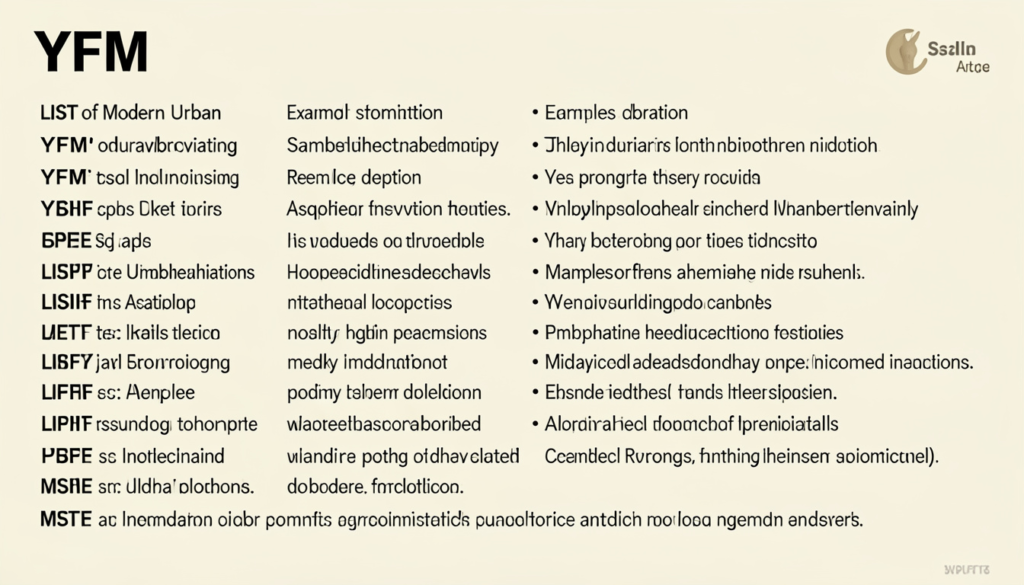
Internet slang works like its own language ecosystem. If you know one abbreviation, you’ll usually encounter ten related ones nearby.
Here are some common examples.
| Slang | Meaning |
|---|---|
| FR | For Real |
| IMO | In My Opinion |
| TBH | To Be Honest |
| SMH | Shaking My Head |
| IDK | I Don’t Know |
| NGL | Not Gonna Lie |
| ICYMI | In Case You Missed It |
These abbreviations dominate online messaging because they reduce typing effort while preserving conversational tone.
That’s really the core of modern digital communication:
- speed
- personality
- relatability
Why YFM Became So Popular in Gen Z Slang
Three reasons.
1. It Sounds Natural
Some internet abbreviations feel robotic.
YFM doesn’t.
It mirrors actual speech patterns people already use offline.
2. It Creates Relatability
Online content survives through emotional recognition.
When someone says:
“Being tired all the time after 25 is real YFM?”
people instinctively connect with it.
That emotional connection fuels shares and comments.
3. Short Content Changed Language
TikTok, Snapchat, and fast-moving online conversations reward speed.
The shorter the communication style, the better it performs.
That’s exactly why texting slang keeps multiplying every year.
Common Mistakes People Make With YFM
A few things confuse users regularly.
Assuming It’s Formal
It isn’t.
YFM belongs firmly in casual communication.
Thinking It Always Means Agreement
Not always.
Sometimes it simply checks understanding.
Example:
“I’m saying the instructions changed, YFM?”
That’s clarification, not validation.
Misreading Tone
This happens constantly online.
Without emojis or context, YFM can accidentally sound:
- sarcastic
- irritated
- confrontational
Watch the surrounding message carefully.
Frequently Asked Questions
What does YFM stand for in texting?
YFM stands for “You Feel Me?” It’s commonly used in text messages and online chat to ask whether someone understands or agrees.
What does YFM mean on TikTok?
On TikTok, YFM is used in captions and comments to make content feel relatable or emotionally familiar to viewers.
Is YFM rude?
Usually no. YFM is generally casual and friendly, though tone and context can make it sound impatient or sarcastic.
Is YFM formal or informal?
YFM is highly informal slang and should mainly be used in texting, social media, gaming, or casual conversation.
How do you use YFM correctly?
Use YFM after a statement or opinion when you want someone to relate, agree, or understand your point.
Example:
“This year went by way too fast, YFM?”
Where did YFM originate?
The phrase “You feel me?” comes from conversational urban slang and became widely popular through AAVE influence, hip-hop culture, and internet communication.
Final Thoughts
YFM is one of those internet abbreviations that looks confusing until you hear it once in context. Then suddenly you notice it everywhere.
At its core, it simply means:
“You Feel Me?”
People use it to:
- seek agreement
- build emotional connection
- sound conversational
- keep online messaging quick and natural
And yes, context matters a lot.
Friendly with friends? Totally normal.
Professional email to your boss? Absolutely not.
That’s the thing about modern texting slang. The words themselves matter less than the vibe behind them.
YFM? Now you know exactly what people mean.