
You’ve probably seen someone type “WSP?” in a text message, Snapchat conversation, Instagram DM, game chat, or some random online community and wondered what exactly they were asking. It looks tiny, almost like someone forgot a few letters along the way. But that little three-letter expression has a very simple meaning in most casual conversations.
So, what does WSP mean? In texting and online communication, WSP usually means “What’s up?” It is an informal greeting used to ask what someone is doing, how things are going, or simply to start a conversation.
For example, if your friend sends “WSP bro,” they usually aren’t asking you to solve a mysterious abbreviation. They’re basically saying, “Hey, what’s up?” The shorter version just makes the message quicker and more natural in casual digital spaces.
What Does WSP Mean in Texting?
The most common WSP meaning in text is “What’s up?”
It is a shortened greeting used in text messages, instant messaging, social media conversations, and other forms of informal communication. Instead of typing the complete phrase, people use WSP because it is quick and easy.
You might see messages such as:
- “WSP?”
- “Hey, WSP?”
- “WSP bro?”
- “WSP fam?”
- “Yo, WSP?”
- “WSP with you?”
- “WSP today?”
- “WSP man, long time!”
- “WSP everyone?”
- “WSP guys?”
The exact wording can change, but the basic idea remains the same: someone is opening a conversation or checking in with you.
This is why WSP in texting is generally considered slang, rather than formal English. You would probably not write “WSP” in a business report or formal letter. It belongs more naturally in casual conversations where speed and familiarity matter.
WSP Meaning in Chat
The WSP meaning in chat is also usually “What’s up?”
Chat environments encourage short messages. People don’t always write complete sentences because the purpose is often to communicate quickly. A person may type “WSP?” instead of “What’s up?” simply because the shorter version feels more natural.
Imagine opening a chat after not talking to a friend for several days. You might write:
- “WSP, haven’t heard from you in ages.”
- “WSP bro, you online?”
- “WSP? How’s everything?”
- “WSP fam, anyone playing tonight?”
In these examples, WSP acts as a casual opener and conversation starter.
It doesn’t necessarily demand a detailed answer either. Someone responding with “Nothing much” or “I’m good, you?” would be perfectly normal.
WSP Slang: Why Does It Mean “What’s Up?”
The phrase “What’s up?” has been used as a casual greeting for a long time. Digital communication simply shortened it.
WSP slang follows the same general pattern as many other texting abbreviations. People remove letters from a phrase to make it faster to type. In a busy chat, saving even a few seconds can feel oddly useful.
WSP is therefore an example of messaging shorthand.
Instead of:
“What’s up?”
someone types:
“WSP?”
There is no complicated transformation happening. It is simply a compact form that has become recognizable in informal digital spaces.
This is part of a much bigger change in language. Digital communication, especially texting, has encouraged people to create shortened expressions that would have looked strange in traditional writing.
What Does WSP Stand For?
If you’re asking what does WSP stand for, the answer depends on context.
In ordinary texting and casual online communication, WSP commonly stands for:
WSP = What’s up?
Here, WSP is functioning as an abbreviation or piece of internet slang.
However, WSP can also represent completely different terms in professional, governmental, academic, or technical contexts. That’s why it isn’t always safe to assume that every WSP means “What’s up?”
Context is doing a lot of work here.
If someone messages you “WSP bro?” the meaning is obvious. If you see “WSP” in a government document, research paper, or official website, you should pause before interpreting it as a greeting.
WSP Meaning in Text Messages
The WSP meaning in text messages is usually friendly and informal.
Someone may use it to ask:
- What are you doing?
- How are you?
- What’s happening?
- What’s going on?
- Are you available?
- How’s everything?
Sometimes WSP doesn’t even feel like a real question. It’s more like saying “Hey.”
For example, imagine your friend sends “WSP?” while you’re eating dinner. They might not genuinely expect a philosophical explanation about everything happening in your life. They are just opening the door to a conversation.
You could reply:
- “Not much, you?”
- “I’m good. WSP with you?”
- “Just chilling.”
- “Working rn, what’s up?”
- “Nothing much bro.”
- “Just got home.”
That’s the beauty of this kind of casual language. The meaning can stretch depending on the relationship between the people talking.
WSP Meaning in Texting and Everyday Conversations
When people search what does WSP mean in texting, they’re often wondering whether it has some hidden meaning.
Usually, it doesn’t.
WSP is simply a short form of “What’s up?” and is mostly used between friends, acquaintances, classmates, gaming partners, or people communicating casually online.
The tone can change slightly depending on the punctuation.
“WSP?”
sounds like a straightforward greeting.
“WSP bro 😂”
feels playful.
“WSP!!!”
can sound energetic or excited.
“wsp”
feels especially relaxed.
So, even though the letters remain the same, the surrounding message gives the expression its personality.
WSP in Social Media
You may also encounter WSP on social media, particularly in direct messages, comments, group conversations, and online communities.
Platforms built around quick interaction naturally encourage online slang and shortened expressions. People may use WSP when messaging someone they already know or when casually approaching another person.
For example:
- “WSP, saw your post.”
- “WSP guys?”
- “WSP with this new update?”
- “WSP bro, you still playing?”
- “WSP everyone, anyone here?”
It works particularly well because social media conversations tend to be informal.
However, using WSP in a professional social-media message isn’t always appropriate. If you’re contacting a potential client, employer, professor, or business for the first time, “Hello” or another polite greeting is usually a better choice.
WSP in Gaming
The WSP meaning in gaming is generally the same: “What’s up?”
Gaming communities are especially comfortable with abbreviations. Players are often typing while simultaneously playing, watching the map, listening to teammates, or trying not to get eliminated in the most embarrassing way possible.
A player might type:
- “WSP team?”
- “WSP bro, ready?”
- “WSP, you joining?”
- “WSP everyone?”
- “WSP fam, who’s online?”
- “WSP? Let’s play.”
Here, WSP works as a quick gaming chat opener.
Gaming has contributed heavily to modern digital culture, where short expressions and abbreviations can spread surprisingly fast between different communities.
WSP as a Casual Greeting
One of the easiest ways to understand WSP is to think of it as a friendly greeting.
It can sit somewhere between “hello” and “how are you?”
For instance:
“Hey” is simply a greeting.
“How are you?” asks directly about someone’s condition.
“What’s up?” can do both things at once.
“WSP?” makes that same idea shorter.
That’s why WSP can be useful when someone wants to start a conversation without sounding too formal. It’s relaxed, quick, and familiar.
Still, tone matters. Sending “WSP” to your close friend is normal. Sending “WSP” to your company’s CEO might create a very different impression, and probably not the one you wanted.
WSP, “What’s Up?” and Similar Texting Expressions
WSP belongs to a wider family of common texting slang and online chat abbreviations.
People regularly shorten phrases because digital conversations reward brevity.
Some familiar examples include:
- “LOL” — laughing out loud
- “BRB” — be right back
- “IDK” — I don’t know
- “BTW” — by the way
- “TBH” — to be honest
- “OMG” — oh my God
- “LMK” — let me know
- “TY” — thank you
- “NP” — no problem
- “WSP” — what’s up?
These expressions aren’t necessarily replacing normal English. They are another layer of modern texting language used in particular situations.
A person can understand formal English perfectly and still type “WSP?” to a friend. Language has always changed depending on the environment.
Is WSP Formal or Informal?
WSP is informal.
It is best suited to:
- Friends
- Family members
- Casual acquaintances
- Social media DMs
- Gaming friends
- Group chats
- Online communities
- Informal text messages
It generally isn’t suitable for:
- Academic writing
- Formal letters
- Business reports
- Professional applications
- Official documents
- Technical writing
- Formal customer communication
In those situations, write the complete phrase or choose a more appropriate greeting.
For example, instead of writing “WSP?” to a client, you might write, “Hi, how are you?” It takes a couple more seconds, but those seconds can make the difference between sounding professional and sounding like you accidentally messaged them from a gaming lobby.
WSP Acronym or Abbreviation?
People sometimes search WSP acronym meaning and WSP abbreviation meaning, but there is a small distinction worth understanding.
An acronym is typically formed from the initial letters of a phrase and may be pronounced as a word. An abbreviation is a broader term for a shortened form.
In casual texting, WSP is best understood as an abbreviation or texting shorthand for “What’s up?”
People may casually call it an acronym, and you will see both descriptions online. But when discussing its everyday slang use, the important point is simply that WSP is a shortened expression.
Other Meanings of WSP
Here is where context becomes important.
Although WSP slang commonly means “What’s up?”, WSP can have several unrelated meanings.
Washington State Patrol
Washington State Patrol is a law enforcement agency in Washington State in the United States. In that context, WSP refers to the organization, not a casual greeting.
If you read something like “WSP officers responded to the incident,” nobody is asking “What’s up?” The surrounding sentence makes the meaning clear.
Water and Sanitation Program
WSP has also been used for Water and Sanitation Program, particularly in the context of international development and work involving water, sanitation, and related services.
Again, this is a completely different use.
With Significant Probability
In some academic or technical contexts, WSP can be used to represent “With Significant Probability.”
This meaning is far less likely to appear in everyday texting, but it demonstrates why abbreviations need context.
A three-letter combination can mean one thing in a group chat and something entirely different inside a research document.
How Context Changes WSP Meaning
The easiest way to determine the WSP definition is to look at the sentence around it.
Consider these examples:
“WSP bro?”
Here, WSP almost certainly means “What’s up?”
“The WSP officer arrived.”
Here, WSP may refer to Washington State Patrol.
“The report discusses WSP activities.”
This could refer to an organization or program, depending on the subject.
“WSP is used in the methodology.”
This sounds like an academic or technical abbreviation.
So when someone asks what is WSP, the most accurate answer is: it depends on where you found it.
In everyday texting, “What’s up?” is by far the most useful interpretation.
Examples of WSP in a Conversation
Seeing WSP inside real conversations makes its meaning much easier to understand.
Friend: “WSP?”
You: “Not much, just chilling. You?”
Here, WSP means “What’s up?”
Another example:
Alex: “WSP bro, you online?”
Sam: “Yeah lol, joining in five.”
Again, it is simply a casual opener.
A social-media example could look like this:
“WSP! I saw your new post.”
The sender is essentially saying, “Hey, what’s up?” before moving into another topic.
In a gaming group:
“WSP fam, anyone playing tonight?”
The greeting is friendly, informal, and directed at the group.
Why People Use WSP Instead of “What’s Up?”
The answer is mostly speed and informality.
Typing “WSP” takes less effort than writing “What’s up?” But there is something else going on too. Shortened expressions create a feeling of belonging within digital communities.
Using familiar internet abbreviations can make a conversation feel more relaxed.
It’s similar to how people naturally shorten words when speaking. Digital communication just gives those shortened forms a permanent little home on the keyboard.
And once a particular expression becomes widely understood, people don’t need to explain it anymore. That’s how language evolution happens in small, everyday steps.
WSP and English Learning
For people learning English, expressions such as WSP can be slightly confusing at first.
Textbook English might teach you:
“Hello, how are you?”
Real conversations may produce:
“Hey, what’s up?”
Text messages may produce:
“WSP?”
All three can perform a similar conversational function, but their tone is different.
Learning English slang, English expressions, and conversational English can therefore help learners understand native speakers more naturally.
However, learners should also understand where slang belongs. Knowing WSP doesn’t mean you should use it everywhere. Good communication isn’t just knowing words; it’s knowing when those words fit.
WSP vs. “What’s Up?”
There isn’t a major difference in basic meaning.
| Expression | Typical meaning | Tone |
|---|---|---|
| What’s up? | Greeting/check-in | Casual |
| WSP? | What’s up? | Very casual |
| Hey | Greeting | Casual |
| Hi | Greeting | Neutral |
| Hello | Greeting | Neutral/formal depending on context |
| How are you? | Asking about someone | More direct |
The main difference is that WSP is shorter and more informal.
If you’re writing to someone you know well, it can feel perfectly natural. If you’re writing something formal, the full phrase or another greeting is safer.
How to Reply When Someone Says “WSP?”
There is no special response required.
You can simply answer naturally:
- “Not much, you?”
- “I’m good, what’s up?”
- “Doing great!”
- “Just working.”
- “Nothing much lol.”
- “All good here.”
- “Just chilling.”
- “Hey! I’m fine, how about you?”
- “Busy today, what’s going on?”
- “I’m good bro, what about you?”
Your response depends on what the other person is actually trying to discuss.
Sometimes “WSP?” is merely an invitation to talk. You don’t need to overthink it.
When You Should Not Use WSP
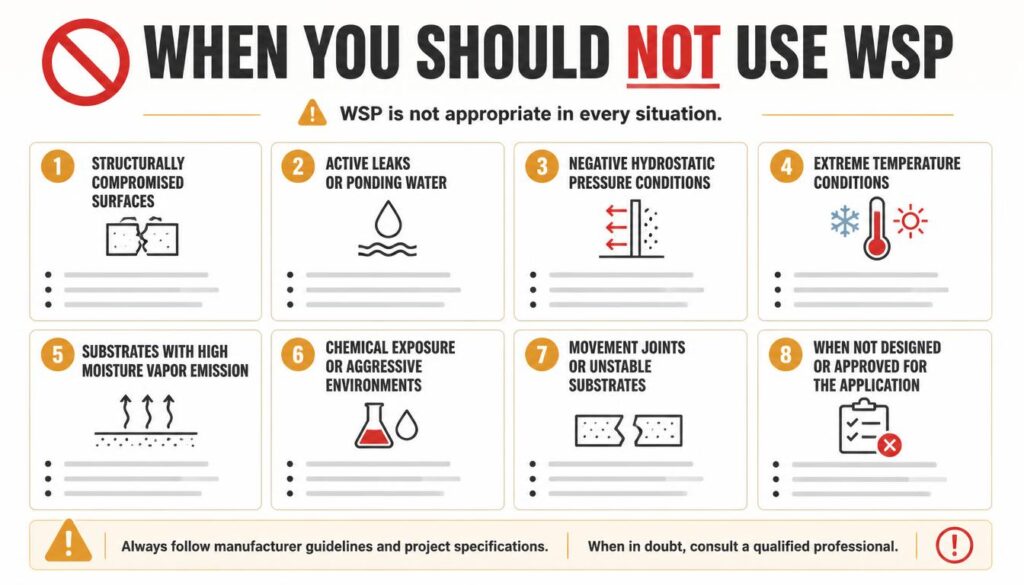
Although WSP is harmless in casual communication, it isn’t appropriate for every situation.
Avoid it in formal emails, academic assignments, official applications, professional reports, and other situations where standard language is expected.
For example, this:
“WSP sir, I wanted to ask about my application.”
sounds much too casual for many professional situations.
A better version would be:
“Hello, I wanted to ask about the status of my application.”
The difference isn’t about one being “correct” and the other being “wrong.” It’s about communication context.
The Bigger Story Behind WSP
A tiny abbreviation like WSP might seem unimportant, but it represents something interesting about modern communication.
People have always looked for quicker ways to communicate. Digital spaces simply accelerated that habit.
Texting, instant messaging, gaming, social media, and online communities have created environments where brevity, speed, and informality are valuable.
That’s why phrases become shortened, vowels disappear, punctuation gets relaxed, and new expressions appear almost overnight.
WSP is one small piece of that constantly changing digital language.
Read more: https://ytmeaning.com/wtm-meaning/
Frequently aSked qeustions
what does wsp mean
WSP usually means “What’s up?” and is commonly used as a casual greeting in text messages, chats, and social media.
wsp meaning
WSP is a short form of “What’s up?” that people use to start a casual conversation or ask how someone is doing.
wsp slang
In slang, WSP is a quick and informal way of saying “What’s up?” especially in texting, online chats, and social media.
what is wsp in text
In text messages, WSP generally means “What’s up?” It is a casual abbreviation used to greet someone or start a conversation.
wsp meaning slang
WSP meaning in slang is usually “What’s up?” and it is commonly used as a short, friendly greeting in digital conversations.
Final Answer: What Does WSP Mean?
So, what does WSP mean?
In most text messages, chats, social media conversations, and casual online communication, WSP means “What’s up?”
It is an informal greeting, texting abbreviation, and piece of internet slang used to start a conversation or casually ask how someone is doing.
You might see it as “WSP?”, “WSP bro,” “WSP fam,” or simply “wsp.” The meaning stays essentially the same.
However, remember that WSP is context-dependent. In professional, governmental, development, academic, or technical material, it can refer to other terms such as Washington State Patrol, Water and Sanitation Program, or With Significant Probability.
The simplest rule is this: if a friend sends you “WSP?” in a chat, they’re almost certainly just saying, “What’s up?”
And honestly, sometimes three letters are all it takes to reopen a conversation that had been sitting quietly for months.